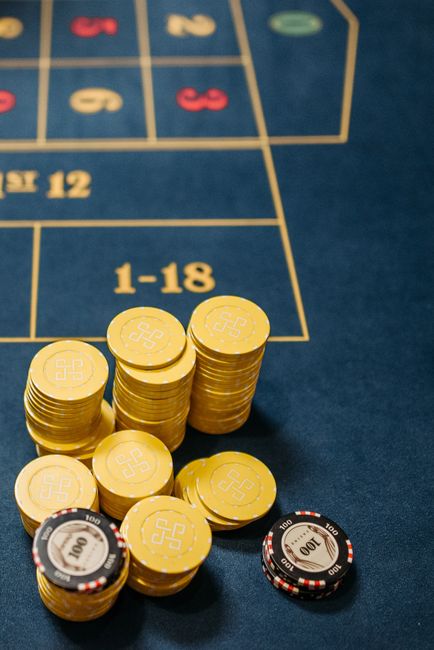
Most people walking into a casino for the first time assume they're buying entertainment with a side of luck. That's fine. The problem starts when regulars keep thinking the same way after years of play. The truth is that the gap between a losing recreational player and a winning one rarely comes down to supernatural intuition. It comes down to understanding variance, bankroll math, and the specific mechanics of each game you sit down at. Whether you're spinning slots at 3 a.m. or grinding a low-stakes poker table, the same principle applies: this is a game of decisions wrapped in randomness, not a slot machine on your life savings.
The house edge isn't a rumor, it's a number
Every casino game carries a built-in mathematical advantage for the operator, and knowing those numbers is the first real step toward playing intelligently. Consider a few standards that haven't changed much in decades:
- Blackjack with basic strategy runs around a 0.5% house edge — the lowest on the floor if you play smart.
- Baccarat banker bets hover near 1.06%.
- European roulette sits at 2.7%, while the American version jumps to 5.26% because of that extra double zero.
- Video slots typically fall between 2% and 10%, depending on the title and its RTP setting.
- Three-card poker and similar table variants often exceed 3%, and side bets can push well beyond 7%.
Notice what those figures mean practically. If you bet $100 on blackjack thirty times with perfect play, you could reasonably expect to lose around $15 across the session. A slots player making the same wagers at a 6% edge is looking at roughly $180 in expected losses. That difference compounds fast, which is why professionals rarely drift to the flashiest games in the room. Take a look at สล็อต for a fuller picture.
Slots: volatility is not the same as bad luck
Slots probably draw more myth than any other category. People talk about machines being "due" or "hot," which is pure fiction — modern slot outcomes are generated independently on every spin by a random number generator. What actually matters is volatility and RTP.
A high-volatility slot might pay out rarely but in large amounts, while a low-volatility game dribbles out frequent small wins. Neither is better in absolute terms; they simply dictate how long your bankroll survives and how large your swings will feel. A 96% RTP means, over millions of spins, the machine returns 96 cents per dollar wagered. Your session sits somewhere inside that statistical ocean, and no amount of tapping the screen changes the math.
Practical tip: match the game to your bankroll. If you're playing with $50, a brutal high-volatility slot can wipe you out in twenty minutes. A low-volatility title lets you stretch that same $50 for hours of entertainment. Read the paytable, check the RTP shown in the info panel, and stop chasing a bonus round that statistically arrives once every 400 spins.
Poker rewards discipline, not aggression
Poker is the rare game where a skilled player can genuinely beat the house — not because the cards love them, but because the money flows from weaker opponents rather than the casino. The rake still eats into winnings, and that's why players fight so hard over game selection and seat choice.
What separates a winning regular from a break-even grinder? Usually it comes down to a few habits:
- Tight-aggressive preflop play. Fold the junk, open with strength, and stop calling raises with offsuit connectors out of position.
- Position awareness. Acting last gives you information everyone else spends money to gather.
- Bankroll management. 20 buy-ins minimum for cash games, 50 or more for tournaments if you want to survive downswings.
- Emotional control. Tilt has probably cost more players money than every bad beat in history combined.
No strategy book hands you a guaranteed profit. But if you genuinely study ranges, track results, and post hands on forums for feedback, the long-term edge is real.
Bonuses and promotions are marketing, not free money
Online operators throw around welcome packages worth thousands, and every one of them comes with terms buried in the fine print. The wagering requirement is the number you need to watch — it tells you how many times you must bet the bonus before withdrawing anything. A $200 bonus with a 40x requirement attached to slots means $8,000 in wagering before you see a cent.
Three things to check before claiming any offer:
- The playthrough multiplier and whether it applies to bonus or bonus plus deposit.
- Game weighting — poker and blackjack often count at 10% or less, so clearing a bonus there is brutal.
- Maximum cashout caps and expiry windows, which can quietly cost you the whole bonus.
Compare that expected value across operators. Sometimes a smaller bonus with easier terms is worth far more than the headline-grabbing $5,000 offer.
Where most players actually lose their edge
Bad luck explains occasional losses. Bad decisions explain consistent ones. The biggest killers are chasing losses, playing drunk or exhausted, jumping between stakes randomly, and refusing to cash out when ahead. It's boring advice, but the players who last years in iGaming generally follow mundane rules:
- Set a session loss limit in advance, then physically stop when you hit it.
- Track wins and losses in a simple spreadsheet or app — not to feel virtuous, but because memory lies.
- Avoid betting on sports you don't follow or games whose rules you haven't learned.
- Take breaks. Fatigue costs more EV than bad variance ever will.
None of this makes you immune to losing streaks. It does mean you're playing with purpose instead of hoping.
The bottom line
iGaming gets sold as pure thrill, but the people who actually last in this space are the ones who treat it like a hobby with costs and rules. Understand the house edge, choose games that match your bankroll, treat bonuses as math problems rather than gifts, and never play with money you'd miss. Do that, and you're already ahead of the vast majority of players who learn the hard way — one expensive, avoidable lesson at a time.


Félix Lengyel 01.01.2024 at 8:00
You guys have put so much work, effort, and time while designing this awesome theme I can see that passion when I incorporated it into my website.
ReplyJoseph Crawford 01.01.2024 at 8:00
The only thing I LOVE more than this theme and it’s incredible options is the support team! They are freaking amazable!
ReplyPatsy Hamlin 01.01.2024 at 8:00
Outstanding quality in this theme, brilliant Effects and perfect crafted Code. We absolutely love it and can highly recommend DynamicLayers!
Reply